Abstract: Computing research is often celebrated for its transformative contributions to diverse fields such as health, energy, agriculture, and more. However, this narrative frequently casts computer science as merely an enabling discipline, sidelining the critical role of fundamental computing research in shaping scientific and technological progress. This panel aims to challenge this perception and advocate for computing researchers as first-class citizens in science advocacy. Bringing together leading experts, this discussion will spotlight the unique contributions of computing research—from theoretical breakthroughs to paradigm-shifting advancements in artificial intelligence, cybersecurity, and quantum computing. Panelists will explore why these foundational innovations deserve recognition not just for their application potential but as pivotal drivers of scientific inquiry and discovery. The session will delve into strategies for elevating the visibility of computing researchers within broader scientific advocacy frameworks. How can the computing community assert its role in shaping research agendas, influencing policy, and inspiring the next generation of scientists? What messaging and collaborations are needed to emphasize computing as a cornerstone of scientific advancement? Join us to redefine the narrative and ensure that the voices of computing researchers are central to the future of science advocacy.
Panellists:
- Professor Ben Rubenstein, The University of Melbourne
- Professor Anton van den Hengel, The University of Adelaide
- Kylie Walker, Australian Academy of Technological Sciences and Engineering
- Ann Nicholson, Monash University
Facilitator:
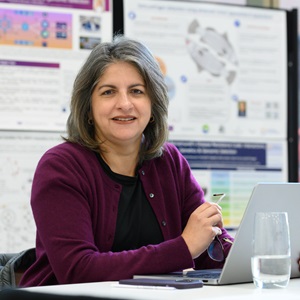
Professor Shazia Sadiq FTSE is a professor of computer science at the University of Queensland. As a researcher and educator in data and process management, her work has focused on dismantling socio-technical barriers to technology-driven transformation. As director of the ARC Industry Transformation Training Centre for Information Resilience, she has helped link research and industry through industry-informed PhD training programs. Shazia actively engages in policy advice and science advocacy activities, including the development of national strategic plans and expert submissions to government initiatives on emerging digital technologies, and was a core author on the government’s Rapid Response Information Report (2023) on Generative AI. She is also a champion for equity and diversity through her work with the first Australian ACM-W student chapter and DEI@DB, an international group that leads diversity, equity, and inclusion efforts for the database community. Shazia is the past Chair of the National Committee on Information and Communication Sciences at the Australian Academy of Science 2019-2022, is a fellow of the Australian Academy of Technological Sciences and Engineering, and member of The Australian Research Council College of Experts 2018-2021.